

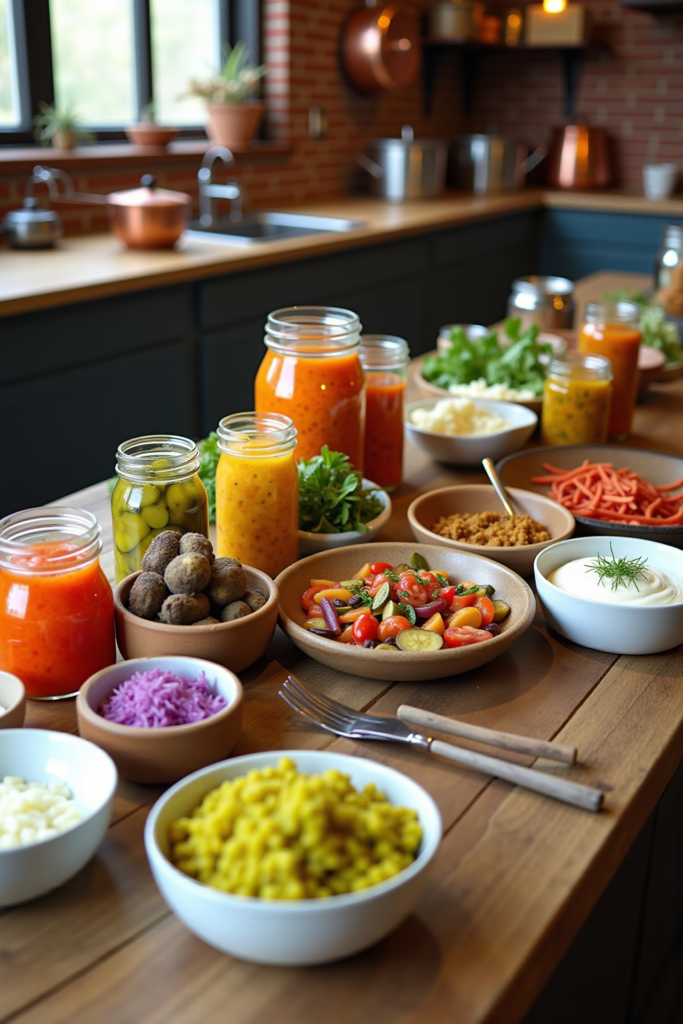

30 Fermented Food Recipes
Introduction
Fermented foods deliver exceptional flavor and nutrition, thanks to the transformation that happens as naturally occurring bacteria work their magic. From tangy kimchi to fizzy kombucha, each recipe boosts gut health and brings exciting complexity to your meals. Whether you’re exploring traditional classics or inventive new twists, this collection of 30 fermented food recipes will help you enjoy the delicious, revitalizing benefits of fermentation at home.
Flavorful, Nutritious, and Surprisingly Simple
Fermentation unlocks deep flavors and beneficial probiotics in otherwise ordinary ingredients. This assortment of 30 recipes is perfect for anyone seeking to add bold tastes and wholesome variety to their daily meals—while also making the most of easy-to-find produce and pantry items. These recipes aren’t just good for your gut; they’ll win over your taste buds and most dinner guests!
30 Must-Try Fermented Food Recipes
1. Classic Sauerkraut
2. Kimchi (Korean Spicy Cabbage)
3. Curtido (Salvadoran Cabbage Slaw)
4. Fermented Garlic Honey
5. Kombucha (Black or Green Tea)
6. Kefir (Milk or Water-based)
7. Fermented Salsa
8. Dill Pickles
9. Carrot Ginger Kraut
10. Fermented Jalapeños
11. Sourdough Bread Starter
12. Fermented Hot Sauce
13. Kvass (Beet or Rye-based Drink)
14. Fermented Red Onions
15. Doenjang (Korean Soybean Paste)
16. Natto (Fermented Soy Beans)
17. Miso (Japanese Fermented Soybean Paste)
18. Yogurt
19. Tempeh
20. Lacto-Fermented Radishes
21. Lassi (Indian Yogurt Drink)
22. Fermented Beets
23. Coconut Yogurt
24. Fermented Watermelon Rind Pickles
25. Tepache (Fermented Pineapple Drink)
26. Fermented Lemon Slices
27. Fermented Tomato Ketchup
28. Apple Cider Vinegar
29. Fermented Green Beans
30. Black Garlic
Ingredients
💡Meal Planning Tip: Save these recipes to automatically generate an organized shopping list with ingredients sorted by store section. This makes shopping for fermentation projects efficient and stress-free!

Basic Steps for Fermenting at Home
- Prep Vegetables or Ingredients: Clean and finely chop or shred vegetables. For liquids (kombucha, kefir), brew starter liquids as instructed.
- Add Salt or Starter: Use precise salt ratios (typically 2-3% by weight) or recommended cultures for dairy and drinks.
- Pack Jars: Layer or pack produce tightly into sanitized glass jars, leaving some headspace.
- Submerge: Ensure veggies stay below the brine to avoid contact with air. Use fermentation weights or a clean cabbage leaf if needed.
- Ferment: Cover loosely (with a lid or cloth) and let sit at room temperature, away from direct sunlight. Check daily for the desired taste—most vegetables are ready in 5-10 days, drinks and dairy may take less time.
- Store: Once the flavor is just right, refrigerate your creation to slow further fermentation and enjoy.
Ideas for Serving and Using Fermented Foods
– Top salads, grain bowls, and sandwiches with krauts, kimchi, and pickles for extra zing.
– Use yogurt or kefir in smoothies, dips, or parfaits for creamy, tangy nutrition.
– Add a splash of kombucha or kvass to sparkling water for a gut-friendly beverage.
– Let miso and fermented hot sauce bring complex umami to soups, stir-fries, and marinades.
– Experiment with different flavor combinations and swaps—think rosemary-citrus sauerkraut or spiced beet kvass.
Nutritional Highlights
Fermented foods are naturally high in enzymes and probiotics, which can aid digestion and support immune health. Many (such as kimchi, sauerkraut, and kombucha) are packed with vitamins C, K, and B-group vitamins. Always taste and enjoy in moderation, especially if you’re new to fermentation, to allow your body to adjust.
Flavorful Variety Every Week (Recap)
With 30 fermented food recipes, you can introduce new tastes and probiotic power to your meals all month long. Rotating these options keeps your palate excited and your gut health thriving.
Weekly Meal Planning
This diverse list makes it easy to solidify a weekly routine of fermentation—pick one or two recipes to prep every weekend! Save and schedule this recipe collection to plan which fermented dishes to make, automatically consolidate your ingredient list, and organize your week for efficient shopping and meal preparation.
Planning Benefits:
– Aggregates ingredients across multiple fermentation projects
– Creates store-section sorted shopping lists for big or small batches
– Avoids duplicate ingredient purchases
– Streamlines your kitchen and keeps meal planning interesting
– Helps you plan ahead for optimal fermentation timing
Pro tip: When you use a combination of long- and short-fermenting recipes (like sauerkraut and yogurt), schedule your recipes so that you always have something fresh and tangy ready to go, and your ingredients don’t go to waste.
Cook and Prep Times
Prep Time: ranges from 15 to 60 minutes per recipe
Fermenting Time: 1 to 21 days, depending on the dish
Total Time: varies by recipe (active time is usually under 1 hour; fermentation does the rest!)
Embark on your fermentation journey and discover new flavors, all while enjoying healthy, homemade creations—made easier by thoughtful meal planning and streamlined shopping with CookifyAI.
