
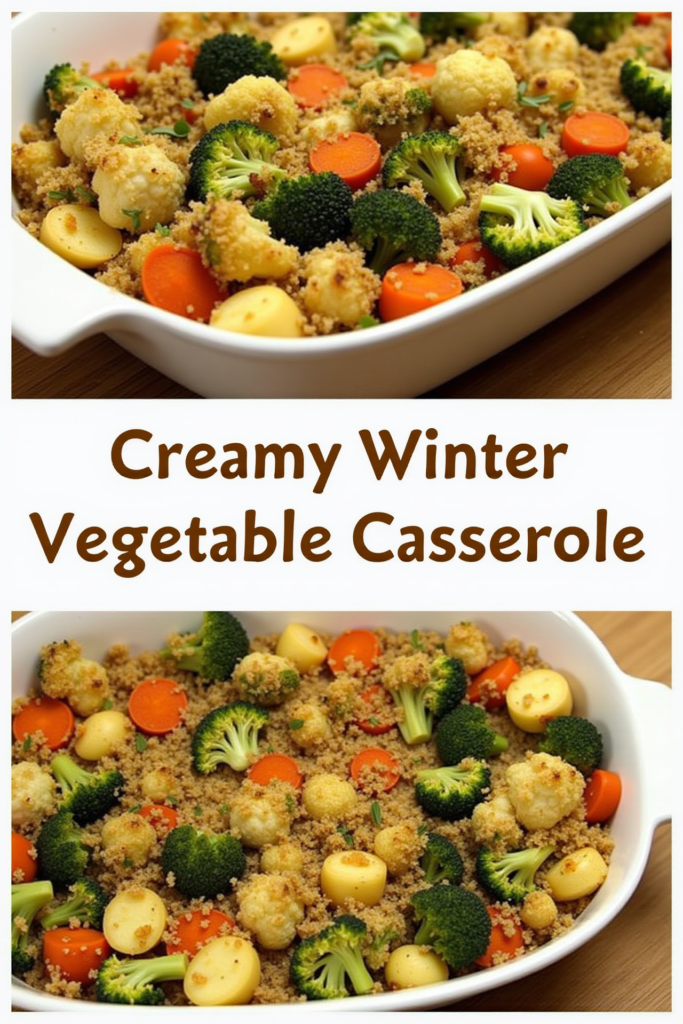
Creamy Winter Vegetable Casserole

Introduction

Hearty, comforting, and brimming with seasonal vegetables, this Creamy Winter Vegetable Casserole is the ultimate way to enjoy a medley of cold weather produce. The luscious cream sauce envelops roasted roots and leafy greens, making this dish a reliable favorite for family dinners or as a crowd-pleasing holiday side. Simple to prepare and endlessly customizable, this casserole transforms humble winter veggies into a mouthwatering centerpiece.

Why This Creamy Winter Vegetable Casserole Is a Must-Make

What sets this casserole apart is the harmony between its velvety, herbed cream sauce and the natural sweetness of slow-roasted winter vegetables. From parsnips to sweet potatoes, each forkful balances tenderness and subtle crunch, turning classic comfort food into a flavor-packed, nutrient-rich delight. Versatile enough for vegetarians and omnivores alike, it’s a dish that brings everyone to the table.

Creating a Silky Cream Sauce

A great cream sauce is key. Start by gently sautéing onions and garlic in a bit of butter for depth, then whisk in flour to form a light roux. Gradually add vegetable broth and cream (or milk for a lighter version), stirring until smooth and slightly thickened. Stir in grated parmesan, thyme, and a pinch of nutmeg for aromatic warmth. The sauce should lightly coat a spoon when ready—rich, but not heavy.

Roasting and Layering the Vegetables

For maximum flavor, toss diced winter vegetables—think carrots, parsnips, rutabaga, and butternut squash—with a little olive oil, salt, and pepper. Roast until just tender and caramelized. Layer these bright, jewel-toned veggies in your casserole dish with chopped kale or Swiss chard. Pour the cream sauce evenly over the top and finish with a crunchy breadcrumb and cheese topping.

Serving Suggestions for a Show-Stopping Casserole

Serve this casserole alongside a green salad and crusty bread for a hearty vegetarian main. For festive occasions, pair with roasted meats or a nutty grain pilaf. Garnish with fresh parsley, toasted nuts, or a drizzle of truffle oil to elevate the presentation and flavor.

Nutritional Information and Serving Size

This recipe yields 6 to 8 generous servings. Each portion contains roughly 280 to 350 calories, depending on your cheese and cream choices. It’s packed with vitamins, fiber, and the robust nutrients of seasonal produce—a smart way to add more vegetables to your winter menu.

Ingredients

2 cups butternut squash, peeled and cubed
1 cup carrots, sliced
1 cup parsnips, sliced
1 cup rutabaga or turnips, cubed
2 cups kale or Swiss chard, chopped
3 tablespoons olive oil
1 medium onion, diced
2 garlic cloves, minced
3 tablespoons flour
1 1/2 cups vegetable broth
1 cup heavy cream (or whole milk)
1/2 cup grated parmesan cheese
1 teaspoon dried thyme (or 1 tbsp fresh)
1/8 teaspoon ground nutmeg
Salt and pepper to taste
1/2 cup breadcrumbs
1/4 cup shredded mozzarella or Gruyère (optional, for topping)
Fresh parsley or toasted nuts for garnish

💡Meal Planning Tip: Save this recipe to instantly create a categorized shopping list—sorted by produce, dairy, pantry, and more. Simplify meal planning and avoid forgotten ingredients with CookifyAI’s smart grocery tools!

CookifyAI meal planning interface

Instructions

  1. Preheat your oven to 400°F (200°C).
  2. Toss butternut squash, carrots, parsnips, and rutabaga with 2 tablespoons olive oil, salt, and pepper. Spread on a baking sheet and roast for about 20–25 minutes, stirring halfway, until browned and fork-tender.
  3. While the vegetables roast, heat 1 tablespoon olive oil in a saucepan. Add diced onion and cook over medium heat until softened, about 5 minutes. Add garlic and sauté 1 minute more.
  4. Sprinkle flour over the onion mixture and stir to combine. Gradually pour in vegetable broth while whisking. Add cream, thyme, nutmeg, and a pinch of salt and pepper. Simmer, stirring, until thickened—3 to 5 minutes.
  5. Remove from heat and stir in grated parmesan cheese.
  6. Lightly oil a large casserole dish. Layer in roasted vegetables and chopped kale or Swiss chard.
  7. Pour the cream sauce evenly over the vegetables. Stir gently to distribute everything.
  8. In a small bowl, combine breadcrumbs and shredded cheese (if using). Sprinkle over casserole.
  9. Bake at 400°F uncovered for 18–22 minutes, until the top is golden and bubbly.
  10. Let rest 5 minutes before sprinkling with fresh parsley or toasted nuts. Serve hot.

Weekly Meal Planning

This Creamy Winter Vegetable Casserole is ideal for make-ahead lunches or prepping a hassle-free dinner midweek. Save and schedule this recipe in your CookifyAI meal plan to help you:

  • Calculate exact ingredient needs when planning multiple meals
  • Generate streamlined, sectioned shopping lists so you never forget an item
  • Avoid duplicate purchases and reduce food waste
  • Stay organized when prepping big-batch meals for the week

Pro tip: Use CookifyAI’s scheduling tool to coordinate recipes throughout the week—see where ingredients like root vegetables or greens overlap and batch your prep for ultimate convenience.

Cook and Prep Times

Prep Time: 20 minutes
Cook Time: 45 minutes
Total Time: 1 hour 10 minutes
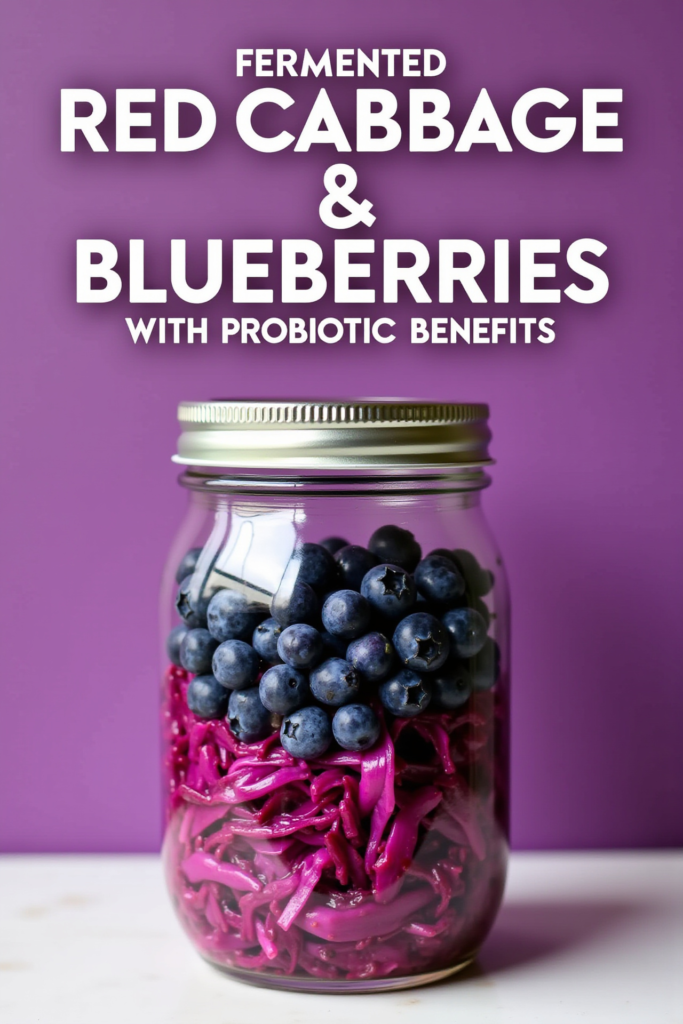
Gari’s Galley: A Probiotic Paradise of Fermented Red Cabbage, Blueberries & Cardamom

Fermented Red Cabbage and Blueberries with Cardamom – Gari’s Galley

Introduction

Fermented Red Cabbage and Blueberries with Cardamom is a truly unique side dish that brings a burst of color, crunch, and tang to your table. Enhanced with fragrant cardamom, this probiotic-rich ferment balances savory, tart, and slightly sweet notes. Perfect for boosting gut health and elevating everyday meals, this recipe is sure to wow with its vibrant appearance and complex flavor profile.

A Standout Seasonal Ferment

What makes this recipe irresistible is the unexpected combination of ruby-red cabbage and juicy blueberries, gently infused with warm cardamom. The diverse flavors and textures create delightful contrasts: crunchy cabbage, plump berries, and subtle spice, making the ferment both nutritious and eye-catching. It’s ideal as a topping for grain bowls, a bright side for grilled meats, or even as an addition to sandwiches and salads.

Preparing the Perfect Ferment

Begin by finely shredding the red cabbage and lightly massaging it with kosher salt, which starts the fermentation process by drawing out moisture. The addition of blueberries introduces natural sweetness and a pop of color, while lightly crushed green cardamom pods infuse the ferment with aromatic depth. This combination ferments beautifully within a week, developing complex flavors and beneficial probiotics.

Assembling and Fermenting Your Cabbage, Blueberries, and Cardamom

Layer the salted and massaged cabbage with blueberries and cardamom in a glass fermenting jar, making sure everything is submerged below the brine to prevent spoilage. A fermentation weight or clean cabbage leaf can help keep ingredients submerged. Leave the jar on your countertop at room temperature, out of direct sunlight, and check daily for taste and bubbling. In about 5–7 days, your batch will be ready to enjoy or stash in the fridge.

Serving Suggestions for A Vibrant Fermented Side Dish

Serve Fermented Red Cabbage and Blueberries with Cardamom atop avocado toast, tuck it into wraps, or pile it onto grilled chicken or salmon for an extra punch of flavor and color. It also works well as a lively complement to cheese platters or charcuterie boards, where its acidity can cut through richness.

Nutritional Information and Serving Size

This batch yields about 8 servings (2–3 tablespoons per serving). Rich in dietary fiber, vitamin C, anthocyanins, and beneficial probiotics, each serving offers around 20 calories—making it a nutritious and flavorful addition to your meal plan.

Fermented Red Cabbage and Blueberries with Cardamom (Recap)

This ferment pairs earthy cabbage and sweet-tart blueberries with exotic cardamom for a flavor-packed, eye-catching dish. Easy to make in advance and keep on hand, it’s a game changer for those looking to add complexity and nutrition to everyday meals.

Ingredients

1 small head red cabbage (about 2 pounds), finely shredded
1 tablespoon kosher salt (plus extra as needed)
1 cup fresh blueberries
6–8 green cardamom pods, gently crushed
1 quart-size glass fermentation jar with lid
Fermentation weight or reserved outer cabbage leaf (to keep vegetables submerged)

💡Meal Planning Tip: Save this recipe to automatically generate an organized shopping list with all ingredients sorted by store section—perfect for efficient grocery trips and meal planning.

CookifyAI meal planning interface

Instructions

  1. Remove the outer leaves of the red cabbage. Slice it into quarters, cut out the core, and shred finely (by knife, mandoline, or food processor).
  2. In a large bowl, toss the shredded cabbage with kosher salt. Massage and squeeze the cabbage for 5–7 minutes, until it softens and releases its juices.
  3. Add the blueberries and gently crushed cardamom pods, mixing to evenly distribute.
  4. Pack the mixture tightly into a clean glass fermentation jar, pressing down as you go to eliminate air pockets and bring liquid above the vegetables.
  5. If needed, top with a fermentation weight or a reserved cabbage leaf to keep everything submerged in the brine.
  6. Seal the jar with a lid (not airtight; a fermentation lid or regular lid loosened slightly works well to allow gases to escape).
  7. Let ferment at room temperature (65–75°F) for 5–7 days. Check daily for flavor; when it reaches your preferred tanginess, transfer to the fridge.

Weekly Meal Planning

This ferment keeps well in the refrigerator for several weeks, making it perfect for weekly meal planning and healthy lunches. Save and schedule this recipe in your meal plan to automatically generate a consolidated shopping list with all needed ingredients.

Planning Benefits:

  • Automatically calculates total ingredient quantities across your planned meals
  • Organizes shopping lists by grocery store section for efficiency
  • Prevents duplicates and ensures you don’t forget specialty produce or spices like cardamom
  • Makes prepping and planning ferments, mains, and sides seamless

Pro tip: Schedule your recipes with CookifyAI to track seasonal ingredients—like blueberries—and prevent overbuying, saving time and reducing waste.

Cook and Prep Times

Prep Time: 20 minutes
Fermentation Time: 5–7 days
Total Time: About 1 week (mostly passive)

Holiday Fermentation Delights: A Festive Guide to Probiotic Foods and Drinks

Fermented Foods and Drinks for the Holiday Season

Introduction

Fermented foods and drinks bring vibrant flavor, gut-friendly probiotics, and a touch of homemade magic to your holiday table. Whether you’re hosting family or looking for unique gifts, these treats are as delicious as they are beneficial. Try your hand at fermentation this holiday season and impress guests with recipes that go beyond the usual—think tangy kraut salads, effervescent drinks, and savory sides, all made from scratch.

Deliciously Unique Fermentation Recipes for the Holidays

Fermentation adds depth and complexity to simple ingredients, transforming them into holiday crowd-pleasers like crunchy kimchi, spiced pickles, and sparkling ginger beer. Fermented foods and drinks not only elevate the spread—they support digestion at a time of indulgence. Crafted over days or weeks, these homemade staples are a testament to patience and flavor, guaranteeing every bite (and sip) is memorable.

Planning Your Festive Fermented Foods and Drinks

For standout appetizers, toss together quick-pickled beets with cheese and nuts, or spread tangy fermented cranberry relish on crostini. Batch-fermented drinks such as water kefir or mulled kombucha punch make refreshing, conversation-worthy alternatives to traditional cocktails. Holiday fermentation recipes can be prepped ahead, allowing you to focus on enjoying your celebration while your ferments develop in the background.

Serving Suggestions for Festive Fermentation

Serve kraut or kimchi as colorful sides for roasted meats, or craft a cheese board with homemade fermented vegetables alongside aged cheeses and sourdough. Pour sparkling fermented drinks in fancy glasses and garnish with citrus slices or herbs for a festive touch. These flavors pair perfectly with rich holiday classics, balancing out the table with brightness and tang.

Nutritional Information and Serving Size

Fermented holiday foods are nutrient-dense and naturally probiotic. Homemade kimchi or kraut, for example, is low in calories (about 10-20 per serving) but high in vitamins C and K. Fermented drinks generally clock in between 30 and 50 calories per serving, depending on sweeteners and juices used. With a little planning, these gut-healthy additions can be included in your seasonal meals without worry.

Fermented Foods and Drinks for the Holiday Season (Recap)

From sparkling ginger beer to tangy kimchi and spicy pickled vegetables, these fermented foods and drinks are the secret to a holiday celebration that’s as delicious as it is nourishing. Their bold flavors, gorgeous colors, and healthy benefits will have everyone coming back for seconds.

Ingredients

For Holiday Kimchi:
– 1 medium napa cabbage, chopped
– 1/4 cup sea salt
– 1 large carrot, julienned
– 4 green onions, sliced
– 1 tablespoon minced ginger
– 3 cloves garlic, minced
– 2 tablespoons fish sauce (or soy sauce for vegan)
– 2-3 tablespoons Korean chili flakes (gochugaru)
For Cranberry Fermented Relish:
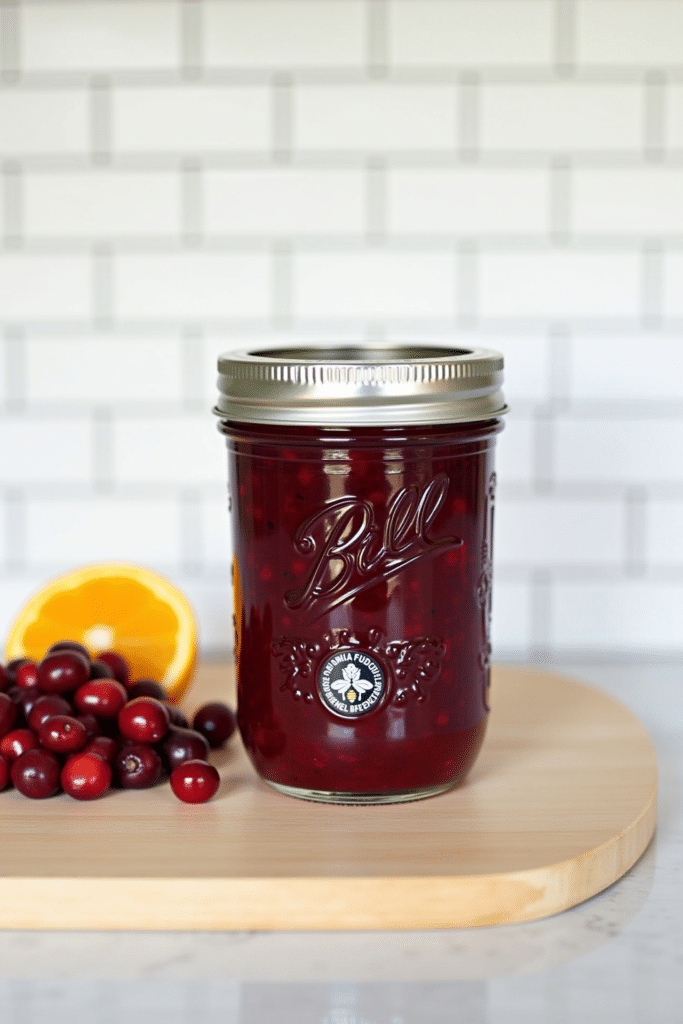
– 2 cups fresh cranberries, chopped
– 1 small orange, peeled and chopped
– 2 tablespoons minced ginger
– 1/4 cup raw honey
For Sparkling Holiday Ginger Beer:
– 1/2 cup fresh ginger, grated
– 1/2 cup sugar
– 1 lemon, juiced
– 1/4 teaspoon active dry yeast
– 2 quarts filtered water

💡Meal Planning Tip: Save this recipe to automatically generate an organized shopping list with all ingredients sorted by store section—ideal for efficient grocery trips, especially for holiday meal planning.

CookifyAI meal planning interface

Instructions

  1. Kimchi:
    – Toss chopped cabbage in salt and let sit for 1 hour. Rinse and drain.
    – Combine cabbage with carrot, green onions, ginger, garlic, fish sauce, and chili flakes.
    – Pack into a clean jar, pressing down firmly. Leave 1-inch headspace. Ferment at room temperature 3-5 days, “burping” the jar daily.
  2. Fermented Cranberry Relish:
    – Combine chopped cranberries, orange, ginger, and honey in a food processor and pulse until finely mixed.
    – Pack tightly into a clean jar, leaving 1-inch headspace.
    – Ferment at room temperature 2-3 days, tasting for desired tang.
  3. Sparkling Holiday Ginger Beer:
    – Dissolve sugar in 2 quarts warm water. Stir in grated ginger, lemon juice, and yeast.
    – Pour into a clean bottle, cap tightly, and ferment at room temperature for 24-36 hours.
    – Refrigerate, then strain and serve cold.

Weekly Meal Planning

Fermented recipes are perfect for prepping ahead, making your holidays more organized and stress-free. Save and schedule these fermentation recipes to your weekly plan and automatically generate smart grocery lists that cover all your holiday needs.

Planning Benefits:

  • Keeps all ingredients organized and grouped by store section for quick holiday shopping
  • Consolidates quantities across recipes—never buy more ginger or cranberries than needed
  • Seamlessly integrates with all your festive meal prep
  • Reduces stress, waste, and forgotten ingredients

Pro tip: When planning multiple dishes with overlapping ingredients (like ginger for both ginger beer and kimchi), CookifyAI adds up quantities so your shopping is easy and accurate. Schedule your recipes today and enjoy flawless holiday meal prep!

Cook and Prep Times

Prep Time: 25 minutes (per recipe)
Fermentation Time: 2-5 days (depending on recipe)
Total Time: Active 25 minutes | Fermentation varies (plan ahead for best scheduling)


Embrace the flavor, health, and holiday spirit—let fermentation elevate your festivities this season!

Fermenting Made Simple: 19 Beginner-Friendly Recipes for Gut-Healthy Delights

19 Fermentation Recipes for Beginners

Introduction

Fermentation transforms simple ingredients into vibrant, flavorful foods packed with probiotics and nutrients. Exploring fermentation at home doesn’t have to be complicated—even beginners can make classic favorites such as pickles, kimchi, and homemade yogurt. These 19 fermentation recipes are easy to start, require minimal equipment, and add exciting flavor dimensions to your everyday meals. They’re perfect for anyone looking to boost gut health, experiment with spices, or preserve seasonal vegetables.

Why Try Fermentation Recipes?

Fermenting foods is a time-honored tradition that elevates ordinary ingredients with complex, tangy flavors and natural fizz. Fermentation not only preserves food but also enhances its nutritional value and digestibility. From crunchy sauerkraut to zesty spice blends, fermentation can transform your favorite vegetables and spices into delicious staples that bring life and character to your recipes—no special expertise required!

Getting Started with Fermentation

For beginners, the basics are simple: good quality ingredients, clean jars, and a little patience. Most recipes are hands-off, letting natural microbes do all the work. You don’t need fancy equipment—just vegetables, salt, and a few spices to get started. These recipes highlight the magic of fermentation while giving you the flexibility to customize flavors with your favorite spices or herbs.

19 Easy Fermentation Recipes to Try

1. Sauerkraut – Fermented cabbage with just salt and optional caraway seeds.
2. Classic Kimchi – Spicy Korean staple with napa cabbage, Korean chili flakes, garlic, and ginger.
3. Fermented Pickles – Crunchy cucumbers with garlic, dill, and peppercorns.
4. Curtido – Salvadoran fermented cabbage slaw with oregano and carrots.
5. Homemade Yogurt – Milk cultured with live yogurt starter.
6. Pickled Red Onions – Tangy, quick-fermented with coriander seed and black pepper.
7. Fermented Hot Sauce – Peppers blended and aged with garlic for a tangy kick.
8. Beet Kvass – Earthy probiotic drink with beets, salt, and a touch of ginger.
9. Kombucha – Fermented tea flavored with fruits or spices (like cardamom or cinnamon).
10. Sourdough Bread Starter – Flour and water fermented into bubbly bread base.
11. Dosa Batter – Indian rice-lentil pancakes naturally fermented for a slight tang.
12. Lacto-Fermented Salsa – Tomatoes, onions, and jalapeños fermented together.
13. Kefir – Fermented milk drink similar to drinkable yogurt.
14. Fermented Carrots – Crunchy sticks with garlic, dill, or ginger.
15. Ginger Bug – Fizzy starter for homemade sodas.
16. Fermented Garlic Honey – Sweet, savory spread for immune support.
17. Fermented Mustard – Yellow or brown mustard seeds and spices.
18. Fermented Radishes – Spicy, crisp with coriander and peppercorns.
19. Spiced Fermented Cauliflower – Cauliflower florets with turmeric, cumin, and black mustard seeds.

Ingredients

Here’s a basic example for vegetable fermentation:
– 1.5 lbs mixed veggies (cabbage, carrots, cucumbers, radishes, or cauliflower)
– 1.5 tbsp sea salt or kosher salt (non-iodized)
– Optional: 1-2 tbsp whole spices (mustard seeds, coriander seeds, dill seeds, black peppercorns)
– 2-3 cloves garlic, smashed
– Filtered water, as needed
You’ll also need:
– Clean glass jars with lids (quart size works best)
– Fermentation weights or small glass tumblers (optional)

💡 Meal Planning Tip: Save your favorite fermentation recipes to CookifyAI—the app will sort ingredients into a ready-to-go shopping list that’s organized by grocery section. No more scrambling at the store or forgetting spice essentials!

CookifyAI meal planning interface

Instructions

  1. Prepare vegetables: Wash and chop. Mix thoroughly with salt and spices in a large bowl. Massage for about 5 minutes, until veggies start to release liquid.
  2. Pack tightly into clean jars, pressing down with a spoon or your hand. Pour any liquid from the bowl over the veggies. Leave about 1 inch of headspace at the top of the jar.
  3. If needed, add filtered water to submerge veggies. If you have weights, place them on top to keep everything submerged.
  4. Seal jars loosely or use a cloth cover. Place at room temperature (65—75°F) out of direct sunlight for 3–10 days. Check daily and press down veggies to keep submerged.
  5. Taste after 3 days. When it’s sour to your liking, seal jar tightly and refrigerate. Enjoy within several weeks.

Weekly Meal Planning

Fermentation recipes are perfect for weekly meal prep. You can make a batch of sauerkraut, kimchi, or spiced pickles and enjoy them throughout the week—adding bursts of flavor and nutrients to sandwiches, grain bowls, and more. Save these recipes to CookifyAI to schedule when to make each ferment, track fermentation times, and automatically generate shopping lists for all your planned recipes.

Planning Benefits:
– Consolidates ingredients for all your meals—avoid overbuying salt or spices
– Groups shopping list items by store section for quicker, easier grocery trips
– Reduces kitchen waste by showing how one batch of ferment can be used throughout the week

Pro tip: When customizing spice blends or mixing veggies for fermentation, use CookifyAI to manage your spice rack and prevent duplicates—so you always know what’s on hand.

Cook and Prep Times

Prep Time: 25 minutes
Fermentation Time: 3–10 days (hands-off)
Total Active Time: 25 minutes (plus fermentation)

Embrace Flavor and Simplicity with Fermentation

These beginner-friendly fermentation recipes invite you to mix and match flavors—experimenting with your favorite spices for bold, delicious results. Fermentation is as simple as it is rewarding, yielding probiotic-packed foods that brighten every meal. With a little planning, you’ll always have nourishing, tangy options ready to eat, right from your own kitchen!

Gut-Friendly Ferments: 13 Tangy Recipes to Boost Digestive Health

13 Fermented Recipes to Support Digestion

Introduction

Fermented foods are celebrated worldwide for their tangy flavors and natural health benefits—most notably their ability to support a healthy digestive system. Incorporating fermented recipes into your weekly meals doesn’t just add big, bold flavors to your plate; it also introduces beneficial probiotics known to foster gut health. Whether you’re a fermented food aficionado or just starting out, this list of 13 expertly selected recipes makes it simple to enjoy the digestive rewards of fermented cuisine.

Why Add Fermented Recipes to Your Menu?

Fermented foods—think zesty kimchi, homemade yogurt, and crisp dill pickles—deliver complex flavors alongside a boost to digestive wellness. The natural fermentation process unlocks unique, tangy tastes while developing live cultures that aid in gut balance. Each recipe on this list is designed to maximize both flavor and digestive benefits, making them perfect for meal plans that combine enjoyment with wellness.

13 Fermented Recipes to Support Digestion

From classic sauerkraut to tangy sourdough bread, these fermented favorites are easy to make and versatile enough to suit any meal. Here’s what you’ll need to get started:

Ingredients

1. Classic Sauerkraut
2. Kimchi
3. Homemade Greek Yogurt
4. Water Kefir
5. Miso Soup
6. Fermented Carrots
7. Kombucha
8. Beet Kvass
9. Dill Pickles
10. Fermented Salsa
11. Sourdough Bread
12. Fermented Hot Sauce
13. Coconut Milk Yogurt
Core ingredients may include: green cabbage, carrots, sea salt, Korean chili flakes, kefir grains, kombucha SCOBY, miso paste, whole milk, flour, sourdough starter, fresh herbs, and vinegars.

💡Meal Planning Tip: Save these recipes to automatically generate a categorized shopping list—with all your fermentation essentials organized by store section so your next grocery run goes smoothly and nothing is forgotten.

CookifyAI meal planning interface

Instructions

  1. Sauerkraut: Shred cabbage and massage with salt. Pack tightly into a jar, cover, and let ferment at room temperature for 1–3 weeks.
  2. Kimchi: Salt napa cabbage, then mix with ginger, garlic, Korean chili flakes, and radish. Pack in jars and ferment for 3–5 days.
  3. Greek Yogurt: Warm milk, add live yogurt starter, and incubate overnight. Strain for desired thickness.
  4. Water Kefir: Combine kefir grains with sugar water, ferment for 24–48 hours, flavor, and refrigerate.
  5. Miso Soup: Dissolve miso paste in hot (but not boiling) water and add tofu and green onions.
  6. Fermented Carrots: Pack carrot sticks in a jar with salt brine and let ferment for 4–7 days.
  7. Kombucha: Brew sweet tea, add SCOBY, ferment 7–10 days, then flavor and bottle for a secondary ferment.
  8. Beet Kvass: Chop beets, submerge in brine, ferment for 2–5 days.
  9. Dill Pickles: Place cucumbers in brine with garlic and dill, ferment for up to two weeks.
  10. Fermented Salsa: Mix tomatoes, onions, peppers, garlic, and salt. Ferment for 2–3 days.
  11. Sourdough Bread: Combine flour, water, and sourdough starter. Proof, shape, and bake as desired.
  12. Fermented Hot Sauce: Blend fermented chilis, garlic, and vinegar. Bottle and refrigerate.
  13. Coconut Milk Yogurt: Mix coconut milk with probiotic capsules, incubate in a warm spot for 24–48 hours.

Weekly Meal Planning

These 13 fermented recipes offer variety for every meal of the week—from energizing breakfasts to flavorful condiments and sides. Save and schedule these recipes to create a gut-friendly meal plan and generate one smart shopping list. Say goodbye to repeated trips to the store and hello to strategic, nutritious eating.

Planning benefits include:

  • Combines duplicate ingredients across multiple fermented recipes (such as salt or cabbage)
  • Provides store-section organized lists for quick shopping
  • Flags common fermenting supplies so you can restock as needed
  • Makes it simple to batch prepare several ferments at once

Pro tip: Want to make sure you have enough jars, brine, or starter cultures? Schedule all your fermentation recipes together and get a consolidated list of all equipment and ingredients needed, cutting down on kitchen chaos.

Cook and Prep Times

Prep Time: 15–30 minutes per recipe
Fermentation Time: 1–14 days depending on recipe
Cook Time: Most ferments don’t require cooking—just patience!

If supporting digestion and boosting flavor ranks high on your kitchen goals, integrating these 13 fermented recipes into your meal plans is a deliciously smart move. With convenient shopping and planning tools, making fermented foods at home has never been easier or more rewarding!

Cozy Winter Comfort: Creamy Vegetable Casserole Featuring Roasted Roots and Greens

Creamy Winter Vegetable Casserole

Introduction

Hearty, comforting, and brimming with seasonal vegetables, this Creamy Winter Vegetable Casserole is the ultimate way to enjoy a medley of cold weather produce. The luscious cream sauce envelops roasted roots and leafy greens, making this dish a reliable favorite for family dinners or as a crowd-pleasing holiday side. Simple to prepare and endlessly customizable, this casserole transforms humble winter veggies into a mouthwatering centerpiece.

Why This Creamy Winter Vegetable Casserole Is a Must-Make

What sets this casserole apart is the harmony between its velvety, herbed cream sauce and the natural sweetness of slow-roasted winter vegetables. From parsnips to sweet potatoes, each forkful balances tenderness and subtle crunch, turning classic comfort food into a flavor-packed, nutrient-rich delight. Versatile enough for vegetarians and omnivores alike, it’s a dish that brings everyone to the table.

Creating a Silky Cream Sauce

A great cream sauce is key. Start by gently sautéing onions and garlic in a bit of butter for depth, then whisk in flour to form a light roux. Gradually add vegetable broth and cream (or milk for a lighter version), stirring until smooth and slightly thickened. Stir in grated parmesan, thyme, and a pinch of nutmeg for aromatic warmth. The sauce should lightly coat a spoon when ready—rich, but not heavy.

Roasting and Layering the Vegetables

For maximum flavor, toss diced winter vegetables—think carrots, parsnips, rutabaga, and butternut squash—with a little olive oil, salt, and pepper. Roast until just tender and caramelized. Layer these bright, jewel-toned veggies in your casserole dish with chopped kale or Swiss chard. Pour the cream sauce evenly over the top and finish with a crunchy breadcrumb and cheese topping.

Serving Suggestions for a Show-Stopping Casserole

Serve this casserole alongside a green salad and crusty bread for a hearty vegetarian main. For festive occasions, pair with roasted meats or a nutty grain pilaf. Garnish with fresh parsley, toasted nuts, or a drizzle of truffle oil to elevate the presentation and flavor.

Nutritional Information and Serving Size

This recipe yields 6 to 8 generous servings. Each portion contains roughly 280 to 350 calories, depending on your cheese and cream choices. It’s packed with vitamins, fiber, and the robust nutrients of seasonal produce—a smart way to add more vegetables to your winter menu.

Ingredients

2 cups butternut squash, peeled and cubed
1 cup carrots, sliced
1 cup parsnips, sliced
1 cup rutabaga or turnips, cubed
2 cups kale or Swiss chard, chopped
3 tablespoons olive oil
1 medium onion, diced
2 garlic cloves, minced
3 tablespoons flour
1 1/2 cups vegetable broth
1 cup heavy cream (or whole milk)
1/2 cup grated parmesan cheese
1 teaspoon dried thyme (or 1 tbsp fresh)
1/8 teaspoon ground nutmeg
Salt and pepper to taste
1/2 cup breadcrumbs
1/4 cup shredded mozzarella or Gruyère (optional, for topping)
Fresh parsley or toasted nuts for garnish

💡Meal Planning Tip: Save this recipe to instantly create a categorized shopping list—sorted by produce, dairy, pantry, and more. Simplify meal planning and avoid forgotten ingredients with CookifyAI’s smart grocery tools!

CookifyAI meal planning interface

Instructions

  1. Preheat your oven to 400°F (200°C).
  2. Toss butternut squash, carrots, parsnips, and rutabaga with 2 tablespoons olive oil, salt, and pepper. Spread on a baking sheet and roast for about 20–25 minutes, stirring halfway, until browned and fork-tender.
  3. While the vegetables roast, heat 1 tablespoon olive oil in a saucepan. Add diced onion and cook over medium heat until softened, about 5 minutes. Add garlic and sauté 1 minute more.
  4. Sprinkle flour over the onion mixture and stir to combine. Gradually pour in vegetable broth while whisking. Add cream, thyme, nutmeg, and a pinch of salt and pepper. Simmer, stirring, until thickened—3 to 5 minutes.
  5. Remove from heat and stir in grated parmesan cheese.
  6. Lightly oil a large casserole dish. Layer in roasted vegetables and chopped kale or Swiss chard.
  7. Pour the cream sauce evenly over the vegetables. Stir gently to distribute everything.
  8. In a small bowl, combine breadcrumbs and shredded cheese (if using). Sprinkle over casserole.
  9. Bake at 400°F uncovered for 18–22 minutes, until the top is golden and bubbly.
  10. Let rest 5 minutes before sprinkling with fresh parsley or toasted nuts. Serve hot.

Weekly Meal Planning

This Creamy Winter Vegetable Casserole is ideal for make-ahead lunches or prepping a hassle-free dinner midweek. Save and schedule this recipe in your CookifyAI meal plan to help you:

  • Calculate exact ingredient needs when planning multiple meals
  • Generate streamlined, sectioned shopping lists so you never forget an item
  • Avoid duplicate purchases and reduce food waste
  • Stay organized when prepping big-batch meals for the week

Pro tip: Use CookifyAI’s scheduling tool to coordinate recipes throughout the week—see where ingredients like root vegetables or greens overlap and batch your prep for ultimate convenience.

Cook and Prep Times

Prep Time: 20 minutes
Cook Time: 45 minutes
Total Time: 1 hour 10 minutes
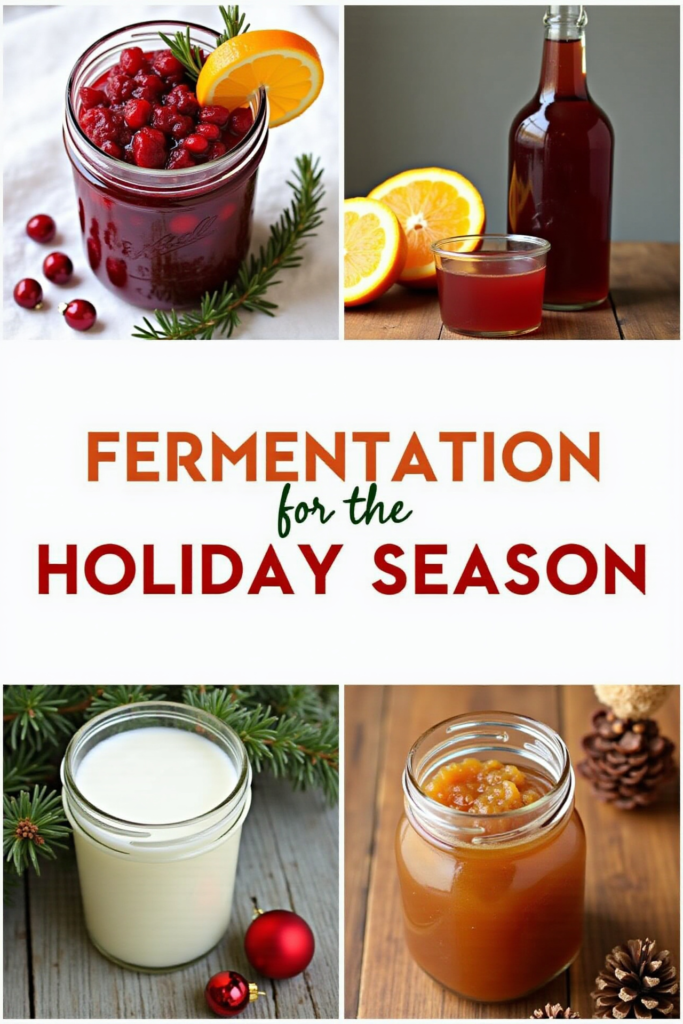
Give Thanks with Gut Health: The Ultimate Probiotic Slaw for a Vibrant Thanksgiving Feast

The Perfect Probiotic Side for Thanksgiving Dinner

Introduction

Elevate your Thanksgiving spread with a unique, tangy, and gut-healthy addition—the perfect probiotic side. While classic dishes like stuffing and cranberry sauce always have their place, adding a probiotic-rich veggie slaw offers a fresh, crunchy counterpoint that not only complements the richness of your feast but also supports healthy digestion. This simple, colorful slaw made with fermented vegetables brings vibrant flavor and wellness benefits to your holiday table.

The Advantages of a Probiotic Thanksgiving Side

Adding a probiotic side dish to Thanksgiving isn’t just a health trend—it’s a smart way to balance the meal. Fermented foods like sauerkraut or kimchi contain live cultures that help support gut health, especially important after a hearty holiday spread. The crisp texture and tangy brightness of this slaw wake up your palate and impress guests looking for something light, fresh, and unexpected amidst the traditional fare.

Choosing and Preparing Probiotic Vegetables

For this recipe, use naturally fermented vegetables—think classic sauerkraut, kimchi, or store-bought “raw” fermented veggie blends. Make sure they’re labeled as “live cultures” or “raw fermented” for probiotic benefits. Mix these with crunchy fresh vegetables such as carrots, cabbage, or radishes for added color and flavor. A light dressing of olive oil and apple cider vinegar brings everything together without overpowering the probiotics.

How to Serve Your Probiotic Side at Thanksgiving

This side is best served chilled or at room temperature, making it easy to prep ahead and stress-free to plate on Thanksgiving Day. Garnish with fresh herbs—dill, parsley, or chives—for a festive and aromatic finishing touch. Guests can enjoy it as a side with turkey or even on top of leftover sandwiches for a nutritious post-holiday lunch.

Nutritional Information and Serving Size

This probiotic side recipe yields about 6 servings. Each serving contains roughly 70 calories, with the added benefit of gut-healthy bacteria, fiber, and micronutrients. It’s a light, fresh, and guilt-free addition to a traditionally rich meal.

The Perfect Probiotic Side for Thanksgiving Dinner (Recap)

This tangy, crisp fermented slaw stands out at Thanksgiving for its flavor, simplicity, and health-boosting qualities. It’s the ideal companion for heavy, traditional dishes and a guaranteed crowd pleaser for guests seeking something different and delicious.

Ingredients

2 cups raw, naturally fermented sauerkraut (drained, not rinsed)
1 cup shredded carrots
1/2 small red cabbage, thinly sliced
1/2 cup thinly sliced radishes
2 scallions, thinly sliced
3 tablespoons olive oil
1 tablespoon apple cider vinegar
1/2 teaspoon Dijon mustard (optional)
Fresh dill or parsley, chopped, for garnish
Salt and pepper to taste

💡Meal Planning Tip: Save this recipe to automatically generate an organized shopping list with all ingredients sorted by store section—perfect for efficient grocery trips and seamless meal planning.

CookifyAI meal planning interface

Instructions

  1. In a large bowl, combine the sauerkraut, shredded carrots, red cabbage, radishes, and scallions.
  2. In a smaller bowl, whisk together the olive oil, apple cider vinegar, Dijon mustard (if using), and a generous pinch of salt and pepper.
  3. Pour the dressing over the vegetables and toss until everything is evenly coated.
  4. Taste and adjust seasoning as needed. For best flavor, let the slaw sit for 10 minutes before serving to allow flavors to meld.
  5. Transfer to a serving dish, garnish with fresh dill or parsley, and serve chilled or at room temperature.

Weekly Meal Planning

This probiotic side isn’t just for Thanksgiving—it’s a fantastic addition to your weekly meal plan. Save and schedule this recipe to integrate it into lunches or dinners throughout the week and generate a smart shopping list that combines ingredients from all your planned recipes.

Planning Benefits:

– Automatically calculates total ingredient quantities across multiple recipes
– Organizes shopping lists by grocery store areas
– Prevents duplicate purchases and forgotten items
– Simplifies weekly meal prep and keeps your eating routine diverse

Pro tip: If you’re prepping multiple meals, schedule your recipes so CookifyAI can consolidate ingredients (such as fresh herbs or olive oil) for efficient, waste-free shopping.

Cook and Prep Times

Prep Time: 15 minutes
No cooking required
Total Time: 15 minutes