

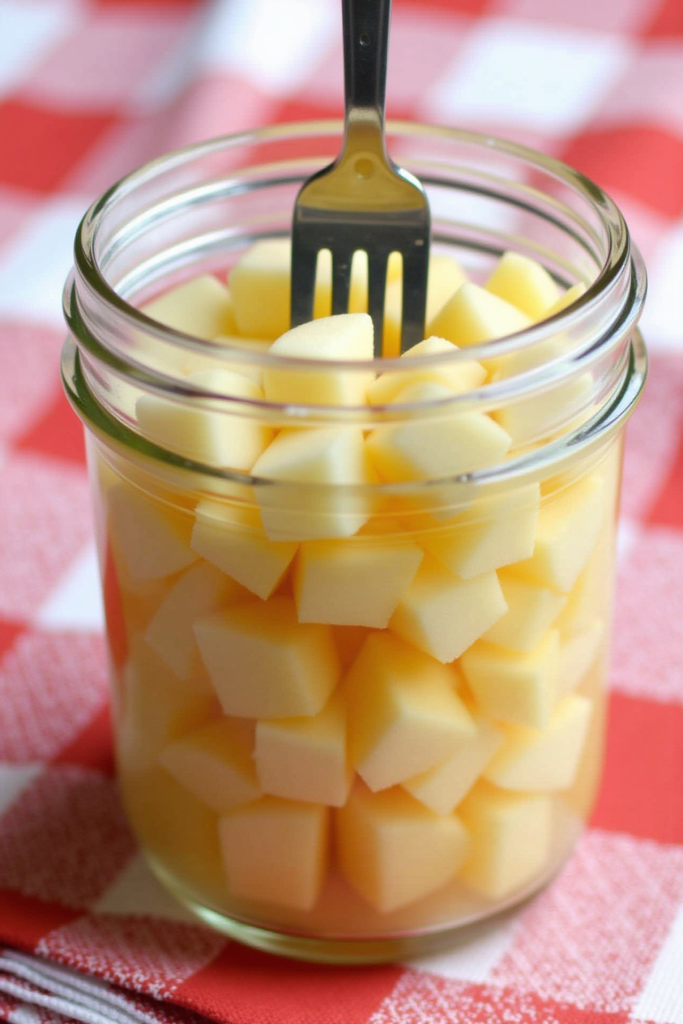

How to Ferment Apples – Packed with Probiotics!
Introduction
Fermented apples are a delicious, tangy treat packed with natural probiotics that support gut health and add vibrant flavor to your snacks and salads. The fermentation process enhances the natural sweetness and lets you create a unique, homemade food that’s as nutritious as it is tasty. Whether you want a healthy snack, a fun topping, or a wholesome side dish, fermenting apples at home is simple, rewarding, and requires only a few basic ingredients.
The Probiotic Power of Fermented Apples
Fermenting apples unlocks a host of health benefits. The process encourages the growth of beneficial bacteria, known as probiotics, which aid in digestion and support a balanced microbiome. Plus, fermented apples develop complex flavors—from tartness to subtle sweetness—that make them irresistible in everything from oatmeal bowls to cheese platters.
Choosing and Preparing Apples for Fermentation
For best results, start with firm, fresh apples. Any variety will work, but crisp apples like Granny Smith, Fuji, or Honeycrisp hold their texture well. Thoroughly wash and core your apples, then slice them into even wedges or cubes to ensure uniform fermentation.
If you like, add a cinnamon stick, a few cloves, or slices of ginger to infuse your apples with aromatic spice as they ferment. Avoid overripe or bruised fruit for the best flavor and reliability in the fermentation process.
Simple Recipe for Fermented Apples
Homemade fermented apples require only apples, water, and salt—and perhaps your favorite spices for extra flavor. Fermentation takes place entirely at room temperature, requiring no special equipment besides a clean glass jar.
Serving Suggestions for Fermented Apples
Fermented apples are wonderfully versatile. Enjoy them:
– As a probiotic-rich snack straight from the jar
– Chopped and stirred into yogurt or oatmeal
– Paired with sharp cheeses on a charcuterie board
– As a tangy topping for salads or grain bowls
Their crisp bite and gentle tartness brighten up all sorts of meals.
Nutritional Information and Serving Size
One batch (about 4 apples) yields 6–8 servings of fermented apples. Each serving (roughly ½ cup) is low in calories (~50–70 calories, depending on apple variety) and offers gut-healthy probiotics along with vitamin C and fiber—making it an excellent snack for health-conscious eaters.
How to Ferment Apples (Recap)
Fermenting apples not only preserves them but also transforms their flavor and nutritional value. With a quick and straightforward process, you’ll enjoy probiotic-rich, delicious apples with a fraction of the effort of making traditional fermented foods.
Ingredients
💡 Meal Planning Tip: Save this recipe to instantly create a sorted shopping list and optimize your grocery run—no more searching for forgotten ingredients, just effortless meal planning!

Instructions
- Wash, core, and slice apples into even wedges or cubes.
- In a clean glass jar (quart size works best), pack the apples tightly. If using, add cinnamon stick, cloves, or ginger between apple layers.
- In a separate container, dissolve the sea salt in filtered water to make a brine.
- Pour the brine over the apples, ensuring all fruit is submerged. Use a small, clean weight (like a fermentation weight or a small zip-top bag filled with extra brine) to keep apples below the liquid level.
- Cover the jar loosely with a lid or a clean cloth secured with a rubber band to allow gases to escape.
- Leave the jar at room temperature (60–75°F) for 4–7 days, checking daily. You’ll notice bubbles and a pleasantly sour aroma—a sign of healthy fermentation!
- Taste the apples after 4 days. When your preferred sourness is reached, transfer to the fridge, where they’ll keep for 2–3 months.
Weekly Meal Planning
Fermented apples are a meal prep game-changer—they last in the fridge for weeks and enhance everything from breakfast to dinner plans! Save and schedule this recipe to get smart shopping lists that combine apples and spices from all your weekly recipes.
Planning Benefits:
– Automatically adds up ingredient amounts for all saved meals
– Organizes shopping lists by grocery store aisle for maximum efficiency
– Ensures you never miss an ingredient when planning multiple recipes
– Supports easy, healthy, and varied weekly meal prep
Pro tip: Planning recipes that share staple items (like apples or spices)? Schedule them together to streamline your list and cut down on food waste.
Cook and Prep Times
Prep Time: 15 minutes
Fermentation Time: 4–7 days
Total Time: 4–7 days (hands-on time only 15 minutes)
