

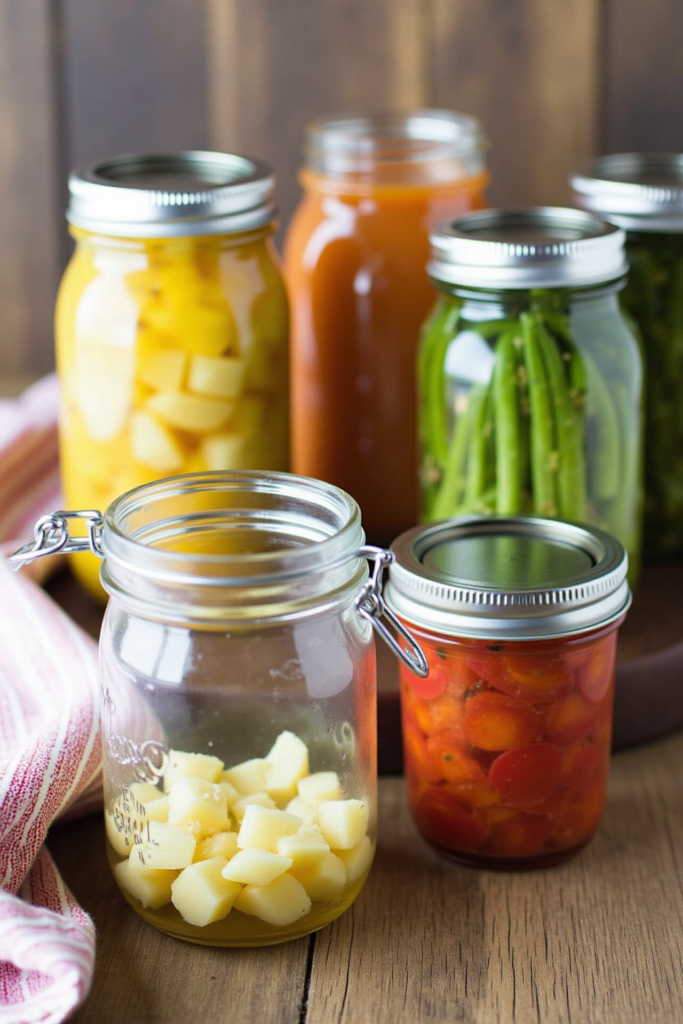

19 Fermentation Recipes for Beginners
Introduction
Fermentation transforms simple ingredients into vibrant, flavorful foods packed with probiotics and nutrients. Exploring fermentation at home doesn’t have to be complicated—even beginners can make classic favorites such as pickles, kimchi, and homemade yogurt. These 19 fermentation recipes are easy to start, require minimal equipment, and add exciting flavor dimensions to your everyday meals. They’re perfect for anyone looking to boost gut health, experiment with spices, or preserve seasonal vegetables.
Why Try Fermentation Recipes?
Fermenting foods is a time-honored tradition that elevates ordinary ingredients with complex, tangy flavors and natural fizz. Fermentation not only preserves food but also enhances its nutritional value and digestibility. From crunchy sauerkraut to zesty spice blends, fermentation can transform your favorite vegetables and spices into delicious staples that bring life and character to your recipes—no special expertise required!
Getting Started with Fermentation
For beginners, the basics are simple: good quality ingredients, clean jars, and a little patience. Most recipes are hands-off, letting natural microbes do all the work. You don’t need fancy equipment—just vegetables, salt, and a few spices to get started. These recipes highlight the magic of fermentation while giving you the flexibility to customize flavors with your favorite spices or herbs.
19 Easy Fermentation Recipes to Try
1. Sauerkraut – Fermented cabbage with just salt and optional caraway seeds.
2. Classic Kimchi – Spicy Korean staple with napa cabbage, Korean chili flakes, garlic, and ginger.
3. Fermented Pickles – Crunchy cucumbers with garlic, dill, and peppercorns.
4. Curtido – Salvadoran fermented cabbage slaw with oregano and carrots.
5. Homemade Yogurt – Milk cultured with live yogurt starter.
6. Pickled Red Onions – Tangy, quick-fermented with coriander seed and black pepper.
7. Fermented Hot Sauce – Peppers blended and aged with garlic for a tangy kick.
8. Beet Kvass – Earthy probiotic drink with beets, salt, and a touch of ginger.
9. Kombucha – Fermented tea flavored with fruits or spices (like cardamom or cinnamon).
10. Sourdough Bread Starter – Flour and water fermented into bubbly bread base.
11. Dosa Batter – Indian rice-lentil pancakes naturally fermented for a slight tang.
12. Lacto-Fermented Salsa – Tomatoes, onions, and jalapeños fermented together.
13. Kefir – Fermented milk drink similar to drinkable yogurt.
14. Fermented Carrots – Crunchy sticks with garlic, dill, or ginger.
15. Ginger Bug – Fizzy starter for homemade sodas.
16. Fermented Garlic Honey – Sweet, savory spread for immune support.
17. Fermented Mustard – Yellow or brown mustard seeds and spices.
18. Fermented Radishes – Spicy, crisp with coriander and peppercorns.
19. Spiced Fermented Cauliflower – Cauliflower florets with turmeric, cumin, and black mustard seeds.
Ingredients
💡 Meal Planning Tip: Save your favorite fermentation recipes to CookifyAI—the app will sort ingredients into a ready-to-go shopping list that’s organized by grocery section. No more scrambling at the store or forgetting spice essentials!

Instructions
- Prepare vegetables: Wash and chop. Mix thoroughly with salt and spices in a large bowl. Massage for about 5 minutes, until veggies start to release liquid.
- Pack tightly into clean jars, pressing down with a spoon or your hand. Pour any liquid from the bowl over the veggies. Leave about 1 inch of headspace at the top of the jar.
- If needed, add filtered water to submerge veggies. If you have weights, place them on top to keep everything submerged.
- Seal jars loosely or use a cloth cover. Place at room temperature (65—75°F) out of direct sunlight for 3–10 days. Check daily and press down veggies to keep submerged.
- Taste after 3 days. When it’s sour to your liking, seal jar tightly and refrigerate. Enjoy within several weeks.
Weekly Meal Planning
Fermentation recipes are perfect for weekly meal prep. You can make a batch of sauerkraut, kimchi, or spiced pickles and enjoy them throughout the week—adding bursts of flavor and nutrients to sandwiches, grain bowls, and more. Save these recipes to CookifyAI to schedule when to make each ferment, track fermentation times, and automatically generate shopping lists for all your planned recipes.
Planning Benefits:
– Consolidates ingredients for all your meals—avoid overbuying salt or spices
– Groups shopping list items by store section for quicker, easier grocery trips
– Reduces kitchen waste by showing how one batch of ferment can be used throughout the week
Pro tip: When customizing spice blends or mixing veggies for fermentation, use CookifyAI to manage your spice rack and prevent duplicates—so you always know what’s on hand.
Cook and Prep Times
Prep Time: 25 minutes
Fermentation Time: 3–10 days (hands-off)
Total Active Time: 25 minutes (plus fermentation)
Embrace Flavor and Simplicity with Fermentation
These beginner-friendly fermentation recipes invite you to mix and match flavors—experimenting with your favorite spices for bold, delicious results. Fermentation is as simple as it is rewarding, yielding probiotic-packed foods that brighten every meal. With a little planning, you’ll always have nourishing, tangy options ready to eat, right from your own kitchen!
