

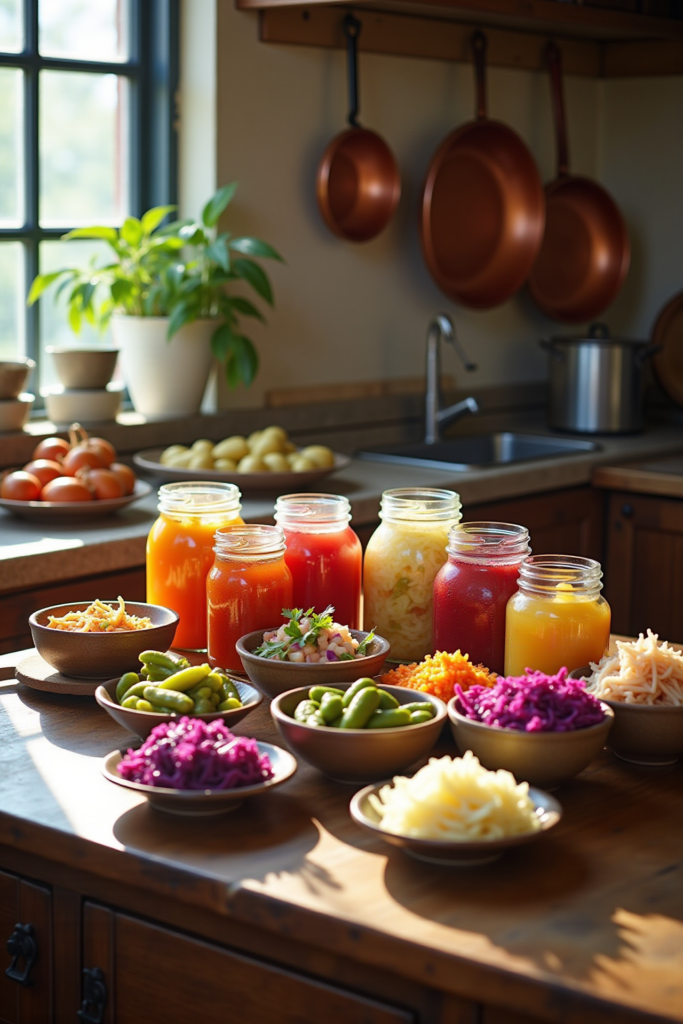

30 Fermented Food Recipes
Introduction
Fermented foods are more than just a health trend—they’re a delicious, time-tested way to add complexity and nutrients to your meals. From tangy sauerkraut to creamy yogurt, fermentation enhances flavors, boosts probiotics, and preserves ingredients for longer. Whether you want to improve your gut health or add unique flavors to your weekly menu, these 30 fermented food recipes cover the classics and beyond, bringing variety and nutrition to your table.
Why Fermented Foods Belong in Every Meal Plan
Including fermented foods boosts both the flavor profile and nutritional value of your meals. These recipes introduce layers of taste—think zesty, sour, umami—and beneficial bacteria that support digestive health. With options that range from spicy kimchi to fizzy kombucha, these recipes are crowd-pleasers that also support your well-being.
Fermentation Basics and Safety
Fermenting at home is easier than you think! Whether you’re using brining, lacto-fermentation, or wild culturing, having clean jars, salt, and fresh ingredients is essential. Always follow cleanliness protocols and fermentation times to ensure safety and maximum probiotic benefits.
A Month of Flavor: 30 Fermented Food Recipes
Here’s a curated list of 30 fermented recipes to keep your snacks, meals, and condiments both exciting and nutritious:
1. Classic Sauerkraut
2. Traditional Kimchi
3. Curtido (Salvadoran Cabbage Slaw)
4. Fermented Dill Pickles
5. Lacto-Fermented Salsa
6. Red Cabbage Slaw
7. German-Style Mustard
8. Homemade Yogurt
9. Kefir
10. Water Kefir
11. Kombucha
12. Fermented Hot Sauce
13. Beet Kvass
14. Fermented Carrots
15. Pickled Red Onions
16. Ginger Bug (starter for homemade sodas)
17. Miso Paste
18. Tempeh
19. Sourdough Starter
20. Sourdough Bread
21. Curtido-Style Beets
22. Fermented Garlic Honey
23. Natto (Fermented Soybeans)
24. Fruit Kvass
25. Fermented Green Beans
26. Fermented Cranberry Sauce
27. Fermented Apple Chutney
28. Fermented Jalapeño Slices
29. Lacto-Fermented Tomato Ketchup
30. Fermented Pineapple Tepache
Ingredients
💡Meal Planning Tip: Save this recipe roundup to automatically generate a master shopping list. All ingredients are sorted by category—so you can plan a week or a month of fermentation projects efficiently, with everything you need listed by grocery store aisle.

Instructions
- Choose your recipe: Select which fermented food you’d like to make first; start with veggies like sauerkraut or yogurt for easiest results.
- Prepare ingredients: Wash and chop veggies, measure salt and brine, or prep starter cultures as needed.
- Combine and pack: Fermented vegetables, for example, are layered with salt and packed tightly in sterilized jars. Dairy ferments are inoculated with cultures and kept warm.
- Cover and monitor: Use fermentation weights/lids if needed. Store at room temperature, checking for desired flavor and activity (ranging from 1–10 days).
- Taste and store: Once your ferment reaches peak flavor, refrigerate to slow fermentation and maintain freshness.
- Repeat: Rotate through these recipes for variety, using different veggies, grains, or dairy as preferred each week!
Weekly Meal Planning
Fermented foods are an excellent addition to weekly meal prep. Use sauerkraut atop sandwiches, kimchi in stir-fries, or yogurt in smoothies and bowls. With 30 recipes at hand, you can rotate flavors and nutrient sources all month.
Save and schedule these recipes in your meal planner to automatically consolidate shopping lists and farm-fresh pickups.
Planning Benefits:
– Calculates total ingredient quantities for all recipes
– Streamlines your market runs by grouping by store aisle
– Prevents duplicate purchases and food waste
– Makes weekly and monthly fermentation more efficient
Pro tip: Add your favorite ferments to a recurring meal plan. This way, you’ll always have delicious, probiotic-rich foods on hand, and your grocery shopping is easier than ever.
Cook and Prep Times
Prep Time: 30 minutes (per recipe, on average)
Fermentation Time: 1–10 days (varies by recipe)
Total Time: 30 minutes active work; up to 10 days for fermentation
Enjoy experimenting and exploring the world of fermented foods—your taste buds (and gut) will thank you!
